Most homeowners in Sanford know they should schedule an HVAC tune up, but very few know what technicians actually do during the visit—or why each step matters. After observing hundreds of maintenance calls across Florida’s high-humidity climate, one thing becomes clear: a proper HVAC tune up is far more than a quick filter change or visual inspection. It’s a systematic process designed to uncover small issues before they turn into expensive repairs during peak cooling season.
In this guide, we break down the complete HVAC tune-up checklist used by experienced Sanford HVAC technicians, including the components we prioritize most in Central Florida homes. You’ll learn which inspections protect your compressor, how airflow testing improves efficiency, and why cleaning coils and electrical components can dramatically impact system lifespan. By understanding what a thorough tune up actually includes, you’ll be better equipped to maintain your system, reduce energy costs, and ensure reliable cooling when Sanford’s heat and humidity are at their worst.
TL;DR Quick Answer
HVAC Tune Up in Sanford
An HVAC tune up in Sanford, FL is a preventive maintenance service where a technician inspects, cleans, tests, and adjusts key air-conditioning components to ensure the system runs efficiently in Florida’s hot, humid climate.
Typical HVAC tune-up checklist includes:
Thermostat calibration to ensure accurate temperature control
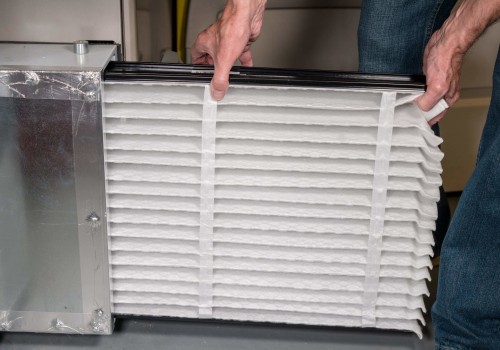
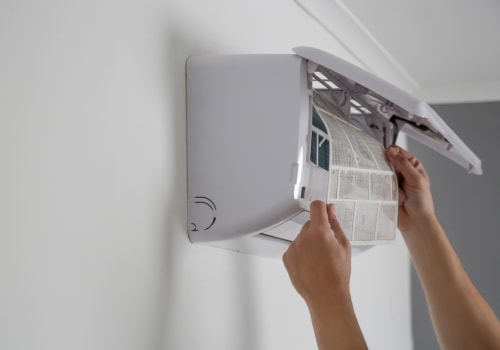
Air filter inspection or replacement to maintain airflow and air quality
Evaporator and condenser coil cleaning to improve cooling efficiency
Electrical connection testing to prevent system failures or safety hazards
Refrigerant level check to ensure proper cooling performance
Condensate drain inspection and clearing to prevent water leaks and mold growth
Blower motor and fan inspection for proper airflow and efficiency
System performance testing to confirm safe, reliable operation
Expert insight: In Sanford’s humid climate, technicians often focus heavily on coil cleanliness, condensate drainage, and airflow balance, since these factors directly impact cooling efficiency, indoor humidity control, and long-term AC system reliability.
Bottom line:
A professional HVAC tune up helps prevent costly breakdowns, improve energy efficiency, extend system lifespan, and keep your home comfortable during Sanford’s long cooling season.
Top Takeaways
Identify small issues early
Prevent costly AC breakdowns
Technicians perform a full system check.
Key steps typically include:Cleaning coils
Checking refrigerant levels
Testing electrical components
Inspecting airflow and filters
Clearing condensate drains
Sanford’s climate increases system strain.
High humidity
Long cooling seasons
Greater demand on AC systems
Routine maintenance improves efficiency.
Lower energy usage
Better cooling performance
More consistent indoor comfort
Regular tune ups extend HVAC lifespan.
Reduce wear on components
Delay expensive system replacement
What Happens During an HVAC Tune Up in Sanford FL? (Complete Checklist)
An HVAC tune up in Sanford, FL is a preventive maintenance service designed to ensure your air conditioning system operates efficiently, safely, and reliably—especially during Central Florida’s long cooling season. Because Sanford experiences high heat, humidity, and heavy AC usage, regular tune ups help prevent breakdowns, reduce energy costs, and extend system lifespan.
Below is a typical checklist of what professional HVAC technicians inspect and service during a tune up.
1. Thermostat Inspection and Calibration
The technician begins by checking the thermostat settings and calibration.
This step ensures:
Accurate temperature readings
Proper communication with the HVAC system
Correct cooling cycles
If the thermostat is miscalibrated, your system may run longer than necessary or fail to maintain consistent indoor comfort.
2. Air Filter Inspection or Replacement
A clogged air filter is one of the most common causes of HVAC inefficiency and system strain.
During a tune up, the technician will:
Inspect the current air filter
Replace or recommend replacement if dirty
Verify proper airflow through the system
Clean filters improve:
Indoor air quality
Overall airflow throughout the home
3. Evaporator and Condenser Coil Cleaning
Coils play a critical role in heat transfer and cooling performance.
Over time, Sanford’s humid climate can cause dust, debris, and microbial growth to accumulate on coils. During a tune up, technicians will:
Inspect evaporator and condenser coils
Clean buildup that restricts heat transfer
Ensure proper cooling efficiency
Clean coils help your system cool faster and use less electricity.
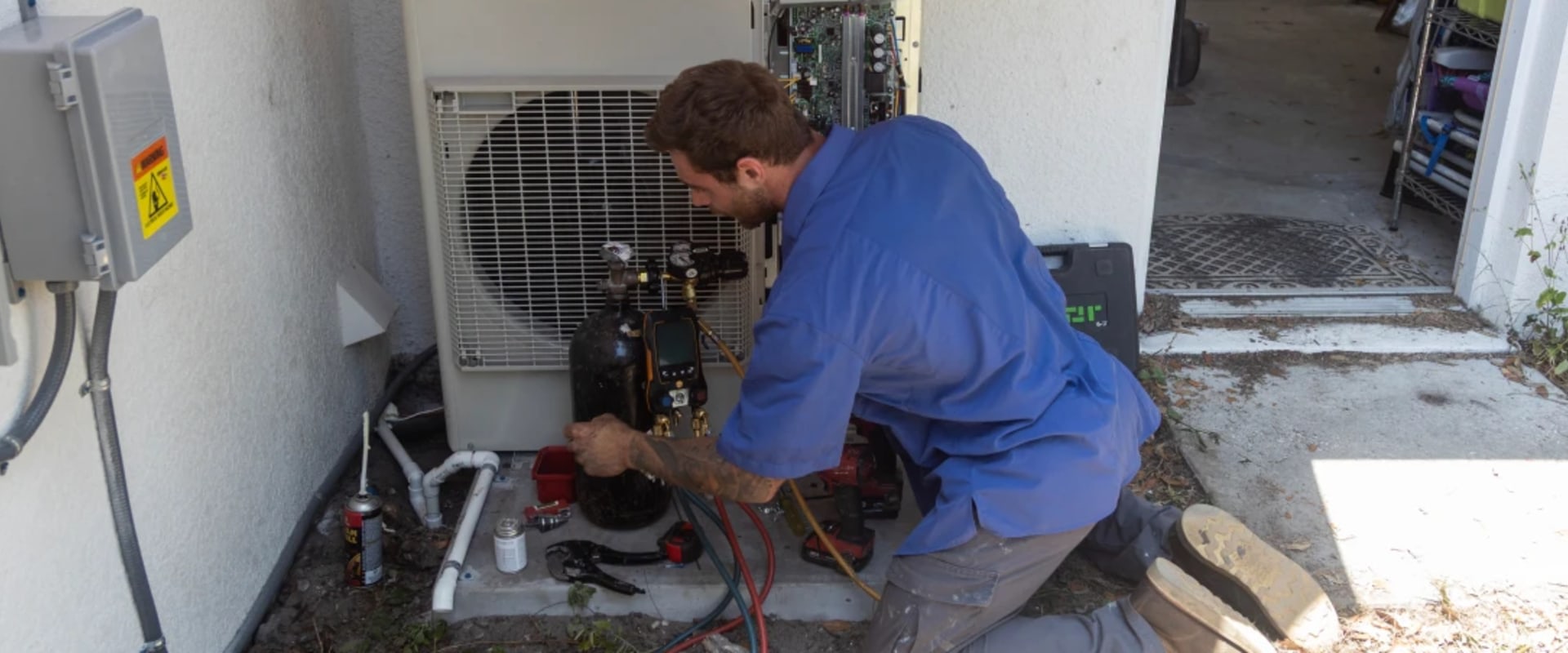
4. Refrigerant Level Check
Refrigerant is the substance responsible for absorbing heat from indoor air.
Technicians check:
Refrigerant pressure levels
Signs of leaks
Proper system charge
Low refrigerant can lead to:
Poor cooling performance
Frozen evaporator coils
Compressor damage
Addressing refrigerant issues early helps prevent major system repairs.
5. Electrical Component Inspection
HVAC systems rely on multiple electrical parts to function safely.
Technicians will inspect and test:
Capacitors
Contactors
Wiring connections
Electrical terminals
Loose or worn electrical components can cause system failures, short cycling, or safety hazards, so tightening and testing them is an essential part of a tune up.
6. Condensate Drain and Drain Line Cleaning
Sanford’s humid climate causes AC systems to produce large amounts of condensation.
During maintenance, technicians will:
Inspect the condensate drain line
Clear any clogs or blockages
Ensure proper drainage
This helps prevent:
Water leaks
Mold growth
System shutdowns from float switches
7. Blower Motor and Fan Inspection
The blower motor and fan are responsible for moving cooled air throughout the home.
Technicians will:
Inspect fan blades
Check motor performance
Ensure proper airflow
Proper airflow improves cooling efficiency, comfort, and system reliability.
8. System Performance Testing
Finally, technicians perform a full system performance test.
This may include:
Measuring airflow
Checking temperature differentials
Verifying proper cooling cycles
Ensuring the system starts and shuts down correctly
Performance testing confirms the system is operating safely and efficiently after maintenance.
Why HVAC Tune Ups Matter in Sanford, FL
Because air conditioners in Sanford often run most of the year, routine tune ups provide several important benefits:
Prevent unexpected AC breakdowns
Improve energy efficiency
Lower monthly utility costs
Extend equipment lifespan
Maintain consistent indoor comfort
Most HVAC professionals recommend scheduling a tune up at least once per year, ideally before the peak summer cooling season begins.
Final Insight
A professional HVAC tune up isn’t just a quick inspection—it’s a systematic evaluation of the components that keep your home cool and comfortable. When performed regularly, this maintenance service helps Sanford homeowners avoid costly repairs while ensuring their AC systems operate at peak performance during Florida’s hottest months.

“After years of evaluating AC systems in Florida’s humid climate, we’ve seen that most major HVAC failures start as small maintenance issues—dirty coils, weak capacitors, or restricted airflow. A thorough tune up isn’t just routine service; it’s the most effective way to protect your system, improve efficiency, and keep your home comfortable through Sanford’s toughest cooling months.”
Essential Resources
If you're researching HVAC tune ups in Sanford, FL, reviewing credible third-party resources can help you understand what quality maintenance should include, how HVAC systems perform in Florida’s climate, and what qualifications technicians should have. The following trusted sources provide guidance on maintenance best practices, energy efficiency, and HVAC system care so homeowners can make informed decisions.
U.S. Department of Energy: Air Conditioner Maintenance Guide for Homeowners
https://www.energy.gov/energysaver/air-conditioner-maintenance
Explains the essential maintenance tasks that keep air conditioners running efficiently.
Covers key tune-up steps like cleaning coils, replacing filters, and checking airflow.
Helps homeowners understand how regular maintenance prevents performance decline and costly repairs.
ENERGY STAR Heating and Cooling Maintenance Checklist
https://www.energystar.gov/saveathome/heating-cooling/maintenance-checklist
Provides a professional HVAC maintenance checklist used across the industry.
Includes tasks such as thermostat calibration, refrigerant inspection, and electrical testing.
Helps homeowners confirm whether their HVAC tune up meets recommended efficiency standards.
EPA Section 608 Refrigerant Regulations Guide
https://www.epa.gov/section608
Explains federal rules governing refrigerant handling and environmental safety.
Helps homeowners understand why certified technicians are required for many HVAC services.
Reinforces the importance of hiring qualified HVAC professionals.
EPA Technician Certification Requirements
https://www.epa.gov/section608/section-608-technician-certification
Details the certifications HVAC technicians must hold to legally service systems that use refrigerants.
Helps homeowners verify whether a contractor meets federal certification standards.
Important for evaluating the credibility and expertise of service providers.
ENERGY STAR Heating and Cooling Efficiency Guide
https://www.energystar.gov/saveathome/heating-cooling
Explains how heating and cooling systems account for a major portion of household energy use.
Provides guidance on improving efficiency through maintenance, upgrades, and proper system care.
Shows how tune ups help reduce energy consumption and utility costs.
ASHRAE HVAC Resources and Standards Library
Provides access to industry standards and technical guidance used by HVAC professionals worldwide.
Covers system performance, airflow design, indoor air quality, and maintenance best practices.
Valuable for homeowners seeking technical insight into HVAC system operation.
North American Technician Excellence (NATE) Certification Information
Explains the NATE certification process for HVAC technicians, a widely recognized industry credential.
Helps homeowners identify contractors with demonstrated technical knowledge and experience.
Supports more confident decisions when choosing qualified HVAC service providers.
Key Insight for Sanford Homeowners:
Because HVAC systems in Central Florida run for much of the year, understanding proper maintenance standards, technician credentials, and energy efficiency guidelines can help you choose the right HVAC tune-up service and keep your system performing reliably in Sanford’s hot, humid climate.
Supporting Statistics
Heating and cooling use about 43% of home energy.
Source: U.S. Department of Energy
https://www.energy.gov/energysaver/heating-and-coolingNearly half of household energy goes to HVAC systems.
Poor maintenance can increase energy consumption.
Regular tune ups help maintain efficiency and reduce energy waste.
Replacing dirty filters can cut AC energy use by 5–15%.
Source: U.S. Department of Energy
https://www.energy.gov/energysaver/maintaining-your-air-conditionerClogged filters restrict airflow.
Systems must work harder and run longer.
Filter replacement is one of the most common fixes during tune ups.
Routine maintenance can improve HVAC efficiency by up to 15%.
Source: ENERGY STAR (EPA program)
https://www.energystar.gov/saveathome/heating-cooling
Key maintenance tasks include:Coil cleaning
Refrigerant checks
Airflow adjustments
Electrical inspections
These steps help systems cool more effectively and consume less energy.
Americans spend more than $29 billion each year on air conditioning.
Source: U.S. Department of Energy
https://www.energy.gov/energysaver/air-conditioningEnergy waste from inefficient systems drives costs higher.
Preventive tune ups help lower operating costs and reduce system strain.
Bottom line for Sanford homeowners
HVAC systems run almost year-round in Florida’s climate.
Routine tune ups help:
Improve efficiency
Prevent breakdowns
Extend system lifespan
Control long-term energy costs.
Final Thoughts
An HVAC tune up in Sanford, FL is more than a routine check. It’s a full system performance evaluation designed to keep your AC running efficiently in Florida’s demanding climate.
Why HVAC Tune Ups Matter
A proper tune up typically includes:
Airflow inspections to ensure balanced cooling
Coil cleaning to improve heat transfer
Electrical testing for safe system operation
Refrigerant level checks for optimal cooling performance
Drain line cleaning to prevent moisture issues
These steps help ensure your system operates efficiently, safely, and reliably.
What Technicians Often See in the Field
From real-world service experience, many major HVAC problems begin with small issues such as:
Dirty evaporator or condenser coils
Clogged air filters restricting airflow
Loose electrical components
Blocked condensate drain lines
When caught early during a tune up, these issues can often be fixed quickly before they become expensive repairs.
Long-Term Impact of Regular Maintenance
Homeowners who schedule annual tune ups often experience:
Fewer emergency AC repairs
Lower energy bills
More consistent indoor comfort
Longer HVAC system lifespan (often 10–15 years)
Bottom Line
In Sanford’s hot and humid environment, air conditioners work hard nearly year-round.
Regular HVAC tune ups help homeowners:
Protect their HVAC investment
Maintain energy efficiency
Prevent unexpected breakdowns
Keep their homes comfortable during the hottest months.

FAQ on “HVAC Tune Up in Sanford”
Q: What happens during an HVAC tune up in Sanford?
A: A professional tune up includes a full preventive system check.Common steps include:
Cleaning evaporator and condenser coils
Checking refrigerant levels and pressure
Inspecting electrical components and wiring
Testing airflow and thermostat accuracy
Replacing or inspecting air filters
Clearing condensate drain lines
These steps help ensure the system runs efficiently and reliably in Sanford’s climate.
Q: How often should HVAC systems in Sanford be tuned up?
A: Most technicians recommend:At least once per year for standard maintenance
Twice per year for homes with:
Heavy AC usage
Pets or allergies
Older HVAC systems
Regular maintenance helps keep systems efficient and prevents breakdowns.
Q: How long does an HVAC tune up take?
A: A typical tune up takes 60–90 minutes.During this time technicians will:
Inspect system components
Clean critical parts affecting performance
Test system safety and cooling performance
Q: What does an HVAC tune up cost in Sanford?
A: Most tune ups range between $75 and $200 depending on:HVAC system size
Service provider
Maintenance plan or seasonal specials
Preventive maintenance is usually much cheaper than emergency AC repairs.
Q: Why are HVAC tune ups important in Sanford?
A: Sanford’s climate creates heavy demand on air conditioners.Regular tune ups help:
Prevent unexpected breakdowns
Improve energy efficiency
Reduce cooling costs
Extend HVAC system lifespan
Maintain consistent indoor comfort
For many homeowners, routine maintenance is the most effective way to protect their HVAC investment.
Learn more about HVAC Care from one of our HVAC solutions branches…
Filterbuy HVAC Solutions - Miami FL - Air Conditioning Service
1300 S Miami Ave Apt 4806 Miami FL 33130
(305) 306-5027
Filterbuy HVAC Solutions - Miami FL - Air Conditioning Service